Packaging Claims Should Match the Approved Sample
2026-06-16
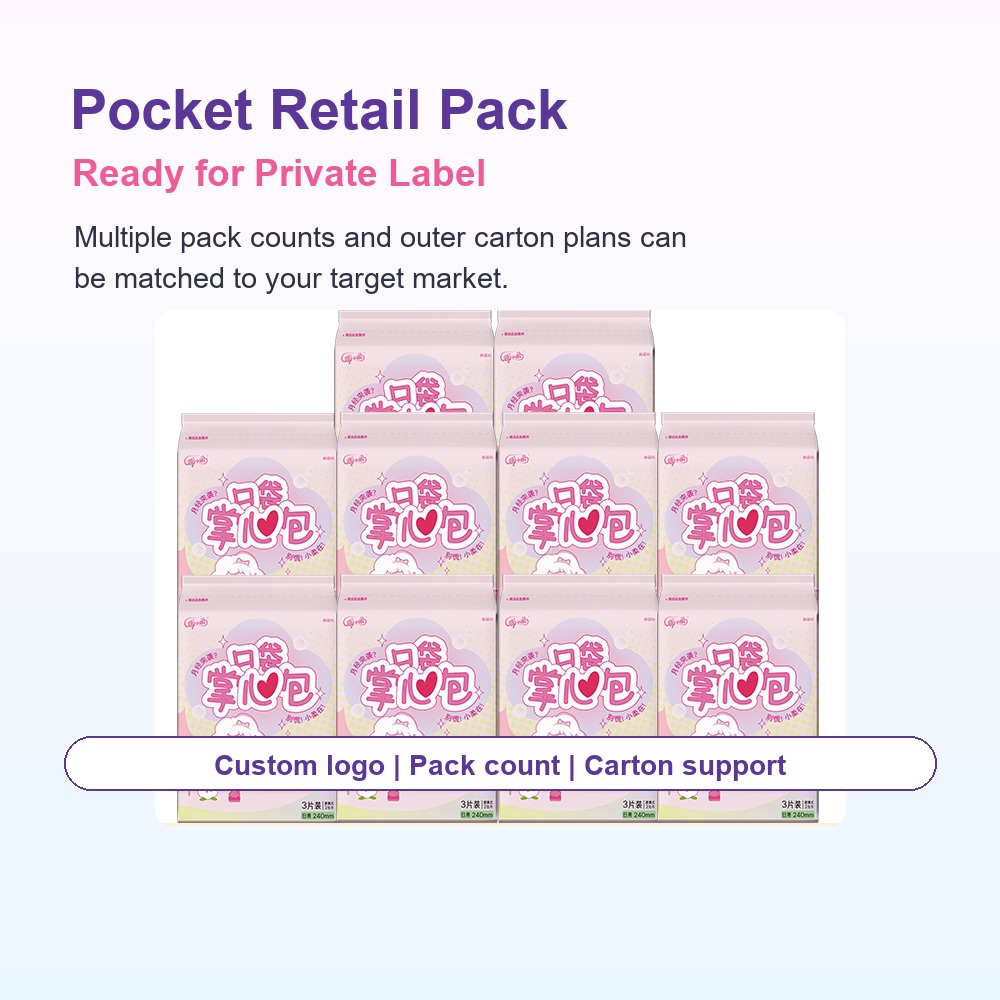
Packaging is often the first thing a buyer reviews, but the words on the package must follow the approved sample. If the sample, specification sheet and artwork do not match, the project becomes harder to manage before mass production.
For sanitary pads, disposable period pants and other feminine hygiene products, claim control protects both the buyer and the supplier. It keeps private label communication practical and reduces the risk of unsupported feature promises.
Why Packaging Claims Need Sample Evidence
Words such as soft, dry, breathable, slim or high absorption should be connected with real sample review. They should not be used only because they sound attractive. Buyers can ask the supplier to connect each claim with material, structure, test notes or approved sample observations.
Packaging Claim Review Checklist
| Review area | Buyer check |
| Product name | Category wording that matches the actual product and use scenario |
| Feature claim | Soft, dry, breathable or slim wording supported by sample review |
| Pack count | Pieces per bag, individual wrapper and carton calculation |
| Artwork language | Destination-market wording and buyer-approved layout |
| Specification sheet | Sample ID, size, material direction and packaging version |
| Final approval | Buyer confirmation before printing and mass production |
How to Build Safer Export Artwork
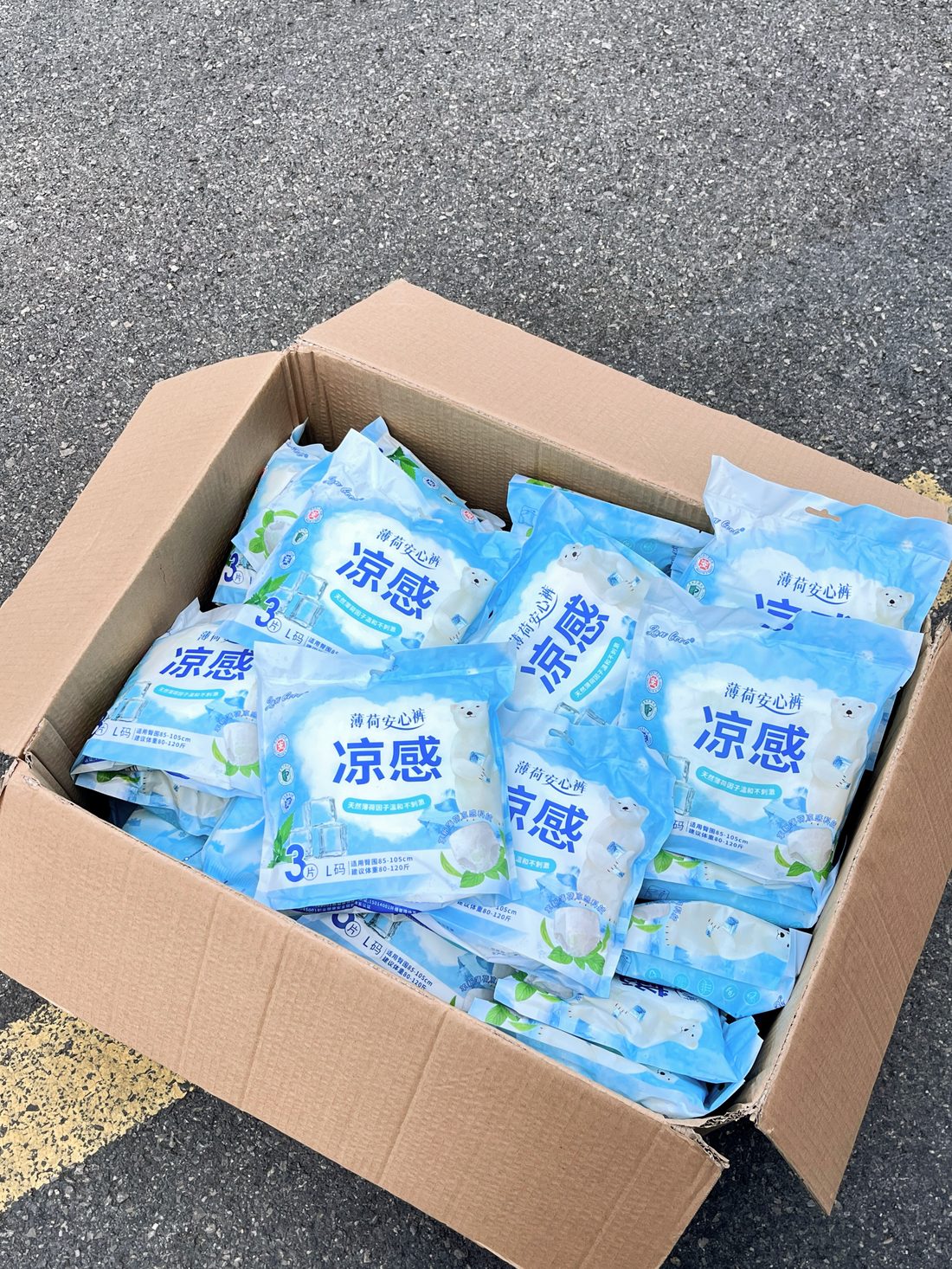
Domestic packaging references can inspire product positioning, but export artwork should be rewritten for the buyer market. The safer workflow is sample approval, claim review, artwork draft, buyer confirmation and then printing file release.
How This Supports Better RFQ Communication
For a useful RFQ, buyers should share target use scenario, size or length requirement, material preference, packaging format, pack count, destination market and expected order quantity. This helps the supplier respond with a more relevant sample plan instead of a generic quotation.
Internal Links for OEM Planning
Related pages for follow-up reading: Custom Sanitary Pad Packaging, Private Label Sanitary Pads, Disposable Menstrual Pants Manufacturer, Contact Nafei.
FAQ for Buyers
Can domestic packaging claims be copied directly?
Usually no. They should be reviewed and rewritten for the target market, approved sample and buyer documents.
When should final artwork be approved?
After the product sample, specification sheet, pack count and claim wording are confirmed.
What makes a claim safer for B2B buyers?
A safer claim is specific, sample-based and connected with clear product information instead of broad promises.
Nafei can discuss feminine hygiene OEM projects based on buyer specifications, real product materials, sample review and private label packaging requirements.
Recommended Private Label Packaging Path
This article belongs to the private label packaging topic cluster. Buyers should connect artwork, claim wording, approved samples, individual wrapping, pack count and carton marks before bulk production.
- Custom Sanitary Pad and Period Pants Packaging for artwork proof, wrapper and carton mark review.
- Private Label Sanitary Pads for mixed feminine care brand planning.
- Disposable Menstrual Pants when the package is for period underwear products.
- Send Packaging Requirements with artwork status, bag count, barcode, language version and market.
FAQ Link Path for Buyers
Why should packaging decisions link back to samples?
Packaging claims should follow the approved sample. Review product pages, sample details and packaging proof together before confirming print files.
Turn this guide into an OEM brief
Share your product direction, target market, packaging idea and sample questions. Nafei can help translate the buying guide into a practical RFQ discussion.
- Product type: period pants, sanitary pads or mixed OEM project
- Target country, channel and buyer positioning
- Size range, material preference and sample review focus
- Private label artwork, pack count and estimated quantity